Wolf Conservationist · Author · TEDx Speaker · Technology Executive · Leadership Advisor
Oliver Starr.
The Wolf Guy.
More than four decades with wolves. A career spanning technology, entrepreneurship, journalism, and executive leadership. More than 100 million documented content views.
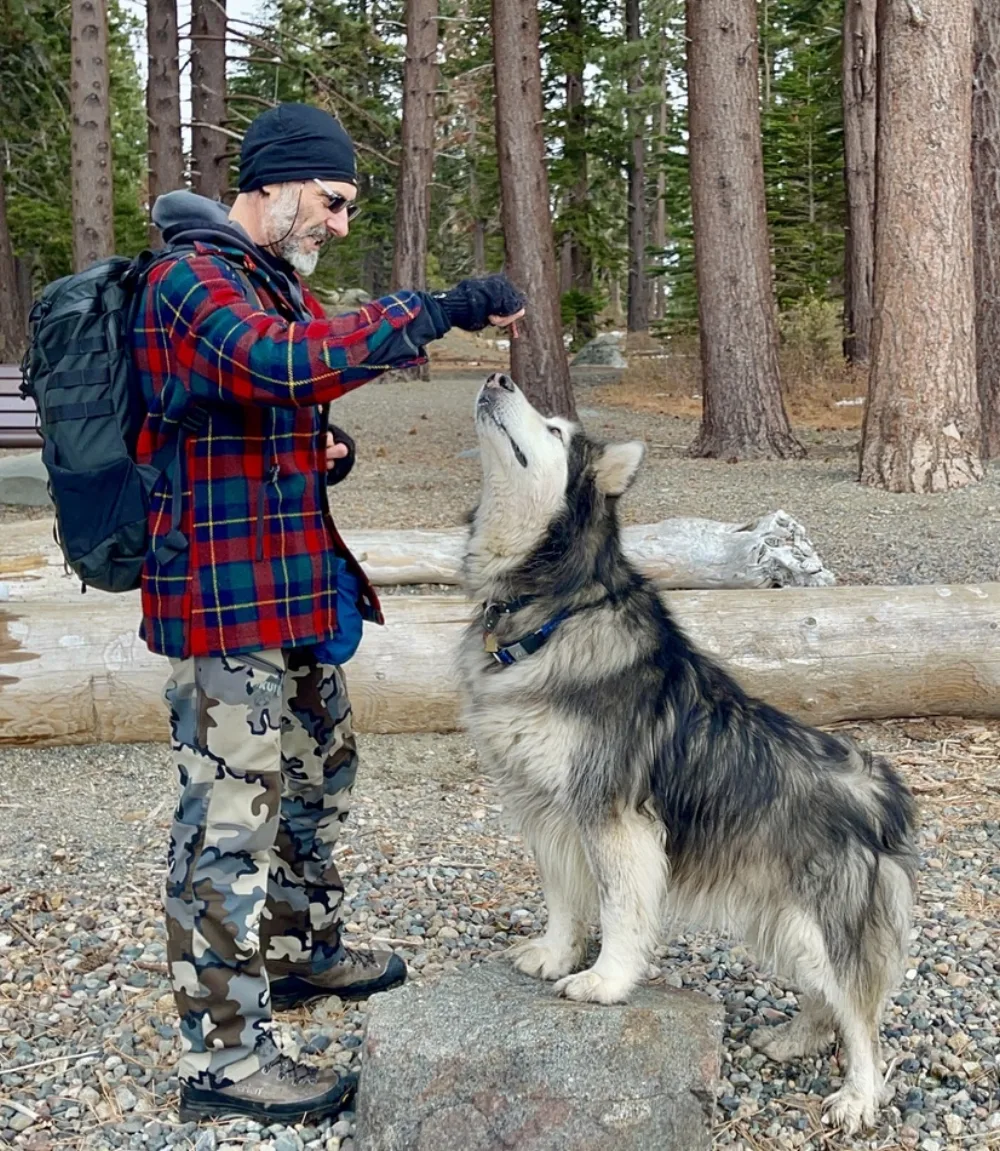
A Translator Between Worlds
I've spent much of my life moving between two worlds that, at first glance, seem to have very little in common.
One is the world of technology, entrepreneurship, and business leadership. The other belongs to wolves.
In the first, I've helped build companies, worked alongside some of the technology industry's most influential entrepreneurs, advised executives, and spent years explaining emerging technologies to audiences trying to understand what comes next.
In the second, I've spent more than four decades living and working closely with wolves and wolfdogs—animals whose extraordinary intelligence, social complexity, and capacity for cooperation have challenged much of what we think we know about nature.
For a long time, these seemed like separate pursuits.
Increasingly, I've come to understand that they share something fundamental: an interest in how complex systems work, how individuals communicate and cooperate, and what happens when we mistake our assumptions for reality.
Today, those interests converge in my work as an author, conservationist, educator, speaker, and founder and Executive Director of the Tahoe Wolf Center.
A Lifetime With Wolves
My relationship with wolves began long before I imagined making them the center of my professional life.
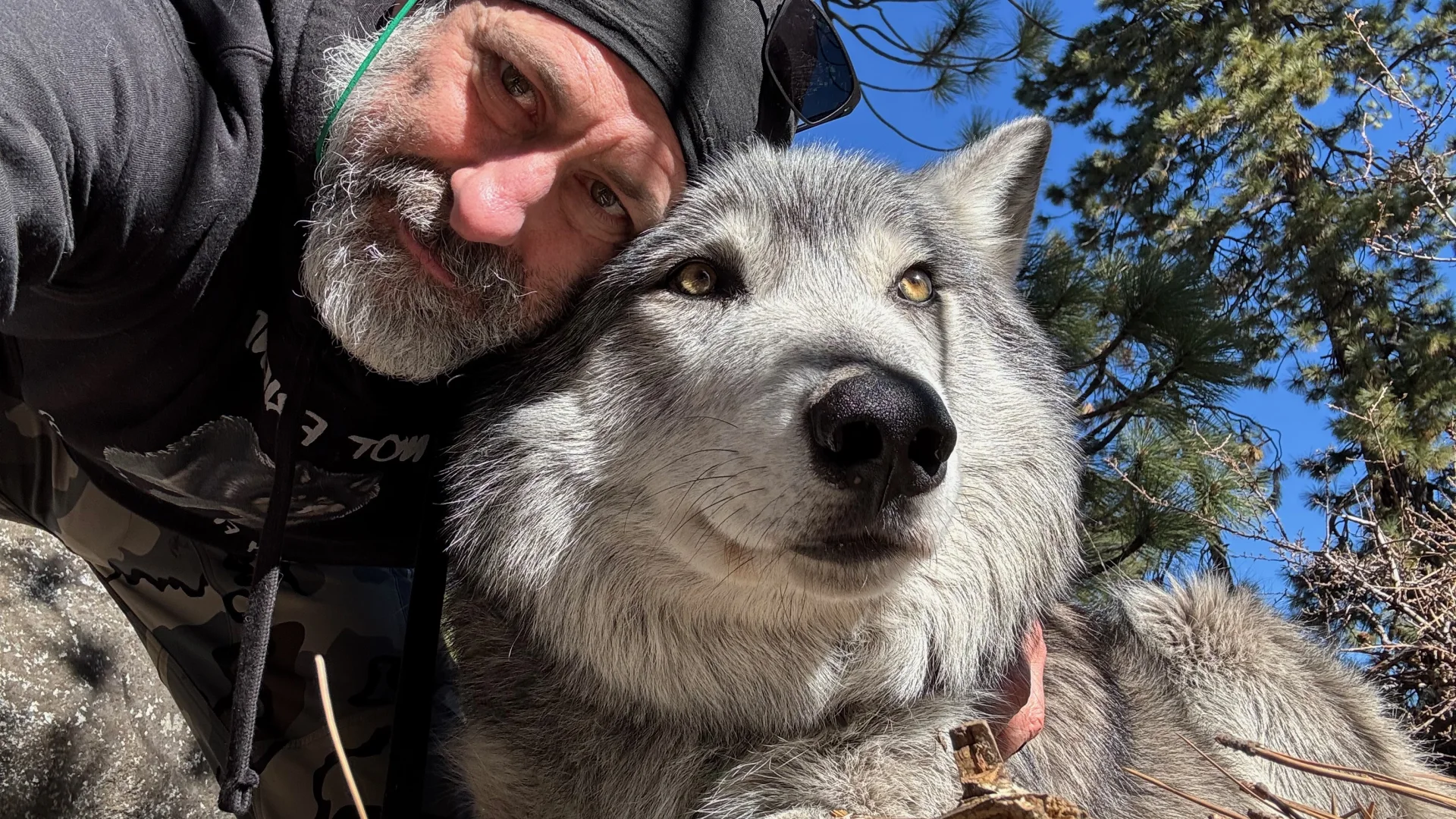
Over more than four decades, I've had the extraordinary opportunity to observe and work with wolves and wolfdogs at a level of familiarity that very few people experience. I've watched generations grow, form relationships, establish social structures, raise families, resolve conflicts, and navigate the challenges of living together.
I've also witnessed things that don't fit neatly into conventional explanations of wolf behavior.
Those experiences have made me skeptical of easy answers.
For decades, popular culture portrayed wolves as ruthless predators governed by rigid dominance hierarchies. Even today, the image of the aggressive "alpha wolf" remains deeply embedded in our understanding of both animal behavior and human leadership.
But the wolves I've come to know—and the growing body of scientific research into wild wolf families—tell a considerably more interesting story.
Wolves are sophisticated social animals. Their relationships involve cooperation, parental investment, communication, individual personalities, and the complex dynamics of family life.
Understanding those relationships requires patience, close observation, and a willingness to abandon explanations that the evidence no longer supports.
That philosophy informs nearly everything I do.
It also explains why I've become an increasingly outspoken advocate for wolf conservation and for treating wild animals as wild animals—not as exotic pets, convenient villains, or symbols onto which we project our own beliefs.
Technology, Entrepreneurship, and the Business of Communication
Long before people began calling me "The Wolf Guy," I built a career in technology.
I was involved in the early development of the technology blogosphere, including helping establish MobileCrunch as part of Michael Arrington's emerging TechCrunch network.
Those were extraordinary years. The mobile internet was beginning to transform how people communicated, worked, consumed information, and interacted with technology. Much of what now seems commonplace was, at the time, genuinely revolutionary.
My work extended beyond journalism.
At Foldera, I held senior executive positions, including Senior Vice President and Chief Mobility Officer.
Later, as Chief Evangelist at Pearltrees, I led U.S. community development and user testing, helping identify emerging markets, evaluate product-market fit, and translate customer behavior into strategic opportunities. That work helped shape the company's eventual focus on education.
The experience reinforced something I've encountered throughout my career: effective evangelism isn't simply about generating enthusiasm for a product. It's about understanding its users, recognizing opportunities its creators may not have anticipated, and helping a company realize its full potential.
Later, I worked with technology companies and their leadership teams on strategy, communications, positioning, and growth.
My experience includes advising the CEO of Turing and providing communications and strategic consulting services involving companies ranging from early-stage startups to global technology organizations, including Microsoft and Nokia.
Along the way, I've worked as an entrepreneur, journalist, ghostwriter, communications strategist, and executive advisor.
I've helped executives articulate complicated ideas, navigate difficult decisions, and communicate more effectively with customers, investors, employees, and the public.
I've also learned firsthand that impressive titles, ambitious strategies, and sophisticated technology mean very little when organizations fail to understand how people actually behave.
That lesson has proven surprisingly relevant to my work with wolves.
And the reverse is equally true.
Defanging Alpha: Rethinking Leadership
Wolves have become an unlikely source of insight into one of the subjects I've spent much of my professional life thinking about: leadership.
For decades, the popular concept of the alpha wolf helped reinforce the idea that effective leaders must dominate, intimidate, and control those beneath them.
There was just one problem.
Much of that narrative rested on a fundamental misunderstanding of wolf behavior.
My TEDx talk, Defanging Alpha: What Wolves Can Teach Us About Leadership, challenges the dominance mythology and asks what might happen if we reconsidered the assumptions underlying some of our most persistent ideas about leadership.
The talk was selected as a TED Editor's Pick.
But I'm careful about the distinction between inspiration and evidence.
Wolves aren't miniature corporate executives covered in fur, and a wolf family isn't a management textbook. We shouldn't substitute a romanticized vision of nature for the equally misleading dominance mythology it replaces.
What wolves can do is encourage us to ask better questions about authority, cooperation, accountability, trust, and the relationships that make groups successful.
Those questions have meaningful implications for executives, entrepreneurs, managers, and anyone responsible for leading other people.
They're also the foundation of my continuing work on Defanging Alpha as a leadership framework and forthcoming book.
Explore Defanging AlphaUnderstanding Dogs Through a Different Lens
My experience with wolves has also profoundly shaped how I understand domestic dogs.
Dogs aren't wolves, and treating them as though they were can lead to serious misunderstandings. Thousands of years of domestication have changed their behavior, their relationships with humans, and the environments in which they thrive.
Nevertheless, their evolutionary history offers valuable context for understanding many aspects of canine communication, social behavior, and motivation.
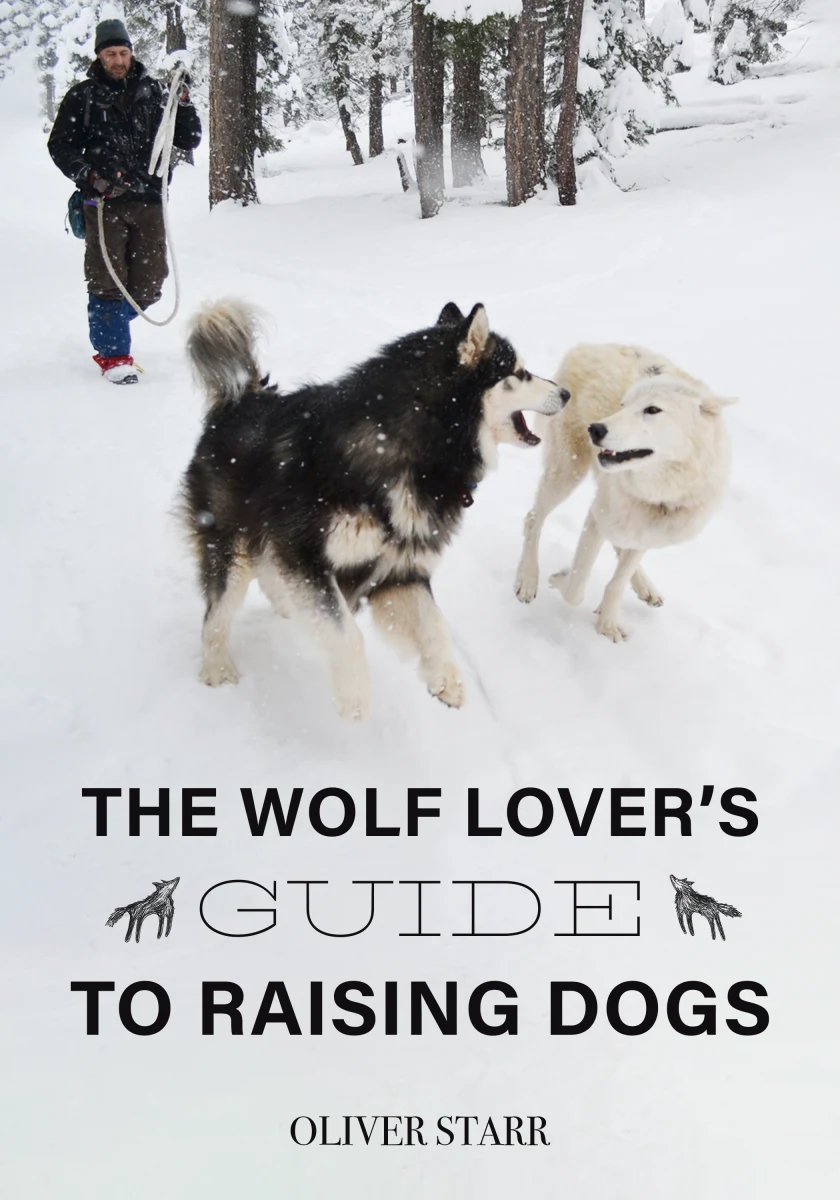
In The Wolf Lover's Guide to Raising Dogs, I bring together decades of firsthand experience, scientific research, and practical observations to challenge conventional ideas about raising and living with dogs.
The book asks readers to reconsider some familiar assumptions about dominance, obedience, communication, and the nature of the human-canine relationship.
My central argument is straightforward:
The better we understand our dogs, the better our relationships with them become.
That understanding begins with recognizing dogs as intelligent, socially sophisticated individuals—not simply animals whose behavior must be controlled.
It's a philosophy that also informs my current interest in emerging technologies capable of helping people observe, interpret, and better understand their dogs' behavior.
Technology cannot replace the relationship between a person and an animal. But thoughtfully designed tools can help us notice things we might otherwise miss.
And sometimes, noticing is where understanding begins.
 Explore the book
Tahoe Wolf Center: Turning Understanding Into Conservation
I'm the founder and Executive Director of the Tahoe Wolf Center, a federally licensed nonprofit organization dedicated to wolf conservation through education, science, and advocacy.
The Center grew from a conviction that people are far more likely to protect animals when they genuinely understand them.
Wolves have endured centuries of persecution, much of it fueled by misinformation, fear, and deeply entrenched cultural narratives.
Those attitudes still influence wildlife management and public policy.
Through the Tahoe Wolf Center, I work to replace mythology with knowledge, encourage science-based conservation, and help people appreciate the ecological and social importance of wolves.
The work also extends to broader questions about wildlife coexistence, responsible stewardship, and the increasingly complicated relationship between human communities and the animals sharing their landscapes.
I believe protecting wildlife requires more than admiration.
It requires making informed decisions, challenging harmful assumptions, and accepting responsibility for the consequences of our actions.
Bringing the Conversation to a Larger Audience
Education only works when people are willing to listen.
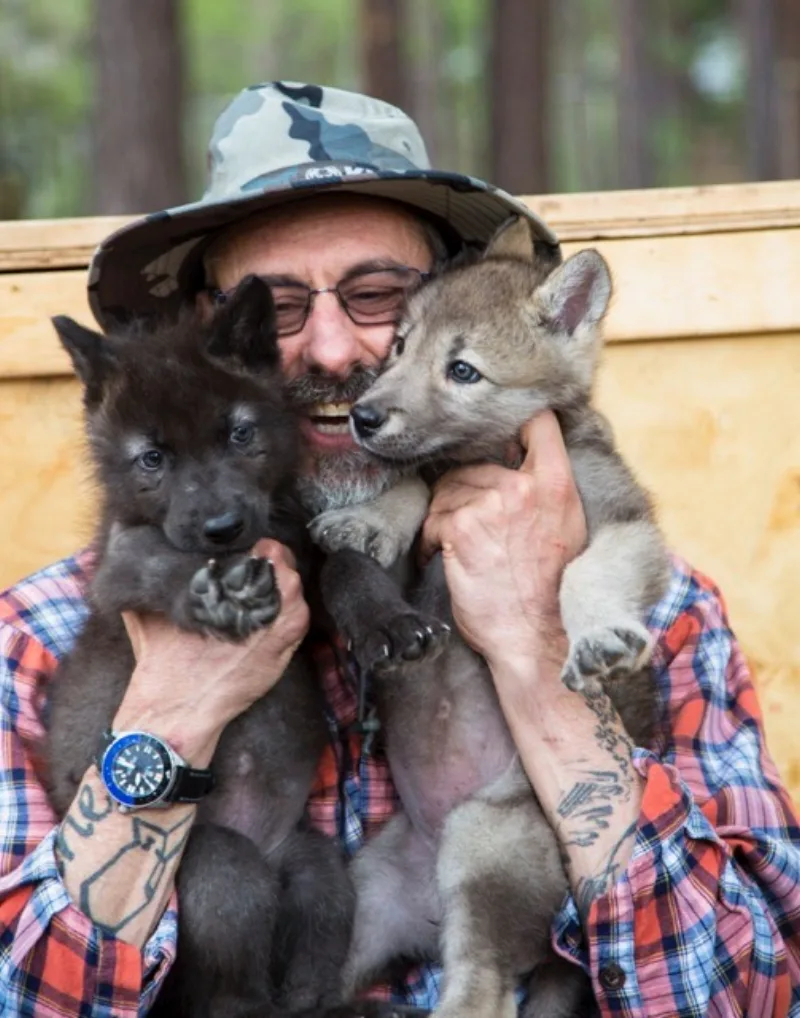
Over the years, I've had the opportunity to share my work through books, journalism, public speaking, interviews, podcasts, educational programs, and social media.
Today, my wildlife, canine-behavior, and educational content has generated more than 100 million documented views across social and digital platforms, with a combined following exceeding 450,000 people.
Those numbers represent something more meaningful to me than popularity.
They demonstrate that people are genuinely interested in understanding animals, questioning conventional wisdom, and engaging with ideas that challenge what they've been taught.
My audience includes dog owners, wildlife enthusiasts, conservation advocates, scientists, technology professionals, executives, and people who simply find wolves as fascinating as I do.
The conversations don't always produce agreement.
That's fine.
I would rather provoke a thoughtful disagreement than reinforce an appealing misconception.
One Life, Several Disciplines
My career has taken some unusual turns.
I've competed internationally as a cyclist, helped build technology companies, worked as a journalist and executive advisor, written books, operated restaurants, and devoted decades of my life to wolves.
It might seem like an unlikely collection of pursuits. But each has reinforced the same lessons.
Pay attention. Question assumptions. Stay curious, particularly when you think you already know the answers.
And never underestimate the importance of relationships, whether you're leading a company, raising a dog, or working with a wolf.
If there's one thing these experiences have taught me, it's that some of our most important discoveries begin when something we thought we understood turns out to be wrong.
After more than forty years, wolves still surprise me.
I hope they always will.
Explore My Work
Wolf Conservation: Tahoe Wolf Center — conservation, education, science, and advocacy.
Books: The Wolf Lover's Guide to Raising Dogs, Rough Country for Coyotes, and forthcoming titles.
Contact: Use the existing verified contact method on TheWolfGuy.com.
One body of work
Four ways into the same conversation.
Each part of Oliver’s work has a distinct purpose. Together, they examine how understanding changes the way people protect, communicate, cooperate, and lead.
Wolves
Oliver’s work begins with the animal itself: observing closely, correcting inherited myths, and helping people understand why honest knowledge matters to conservation.
Explore wolf conservationDogs
His canine work asks people to pay closer attention to instinct, communication, empathy, and the relationship they are building with the animal in front of them.
Explore the bookLeadership
Through Defanging Alpha, Oliver challenges dominance-driven leadership and opens a more useful conversation about trust, accountability, candor, and shared capacity.
Explore Defanging AlphaSpeaking
Keynotes, workshops, virtual talks, and conversations bring the science, stories, and human implications together for live audiences.
Explore speakingContinue exploring
Meet the work
behind the name.
Explore Oliver’s talks and conservation writing, follow the larger body of work, or get in touch about speaking, media, books, and collaboration.